Coffee and tea
Ask about current coffee, tea, and non-alcoholic choices. The right afternoon drink is often the one that lets the rest of the day remain open.

Dining / The evening table
LunaVera dining is designed as hotel hospitality first: coffee and a simple morning, a considered afternoon pause, and dinner that can remain its own destination. The lounge offers a quieter continuation. Current menus, service details, and reservations are confirmed by the guest team.
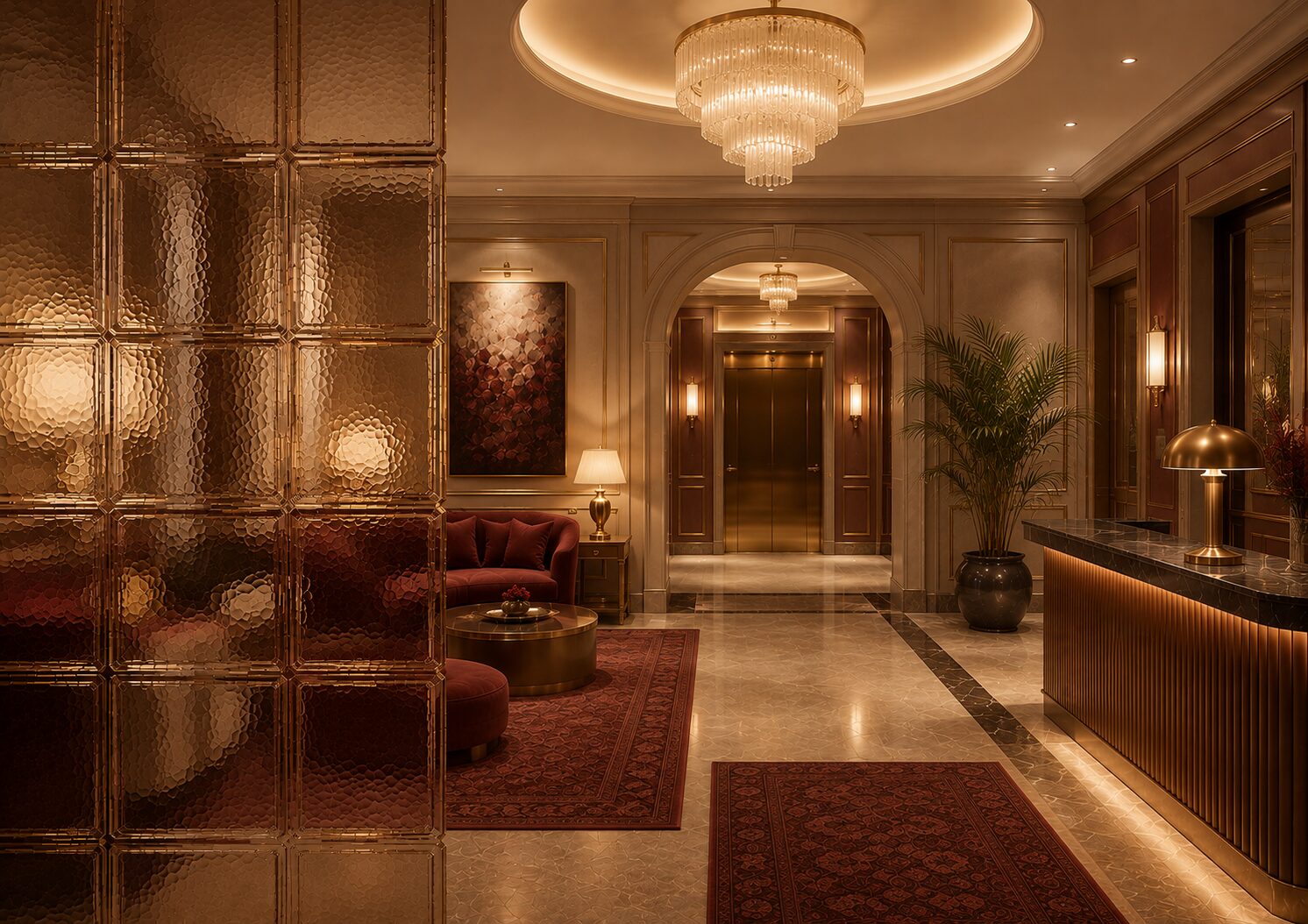
A dining day
Because the website does not carry a live menu or fixed service hours, this page focuses on the experience around a meal. Tell the team when you are considering dining, who is joining you, what dietary requests you have, and whether you prefer a table with more privacy.
Start with coffee, tea, a light breakfast, or a slower first course if the current service allows it. The mood is one of a room finding its daylight, not a rushed schedule.
Morning service should make the first decision easier. Ask what is currently available, whether a quieter table can be arranged, and how much time you should allow before heading into the city. This page does not invent a menu, price, chef name, or guaranteed service hour.
If you have an early departure or a particular dietary need, share it with the guest team before arrival. The reply can then be based on what the kitchen and hotel can currently provide.
After an Old Town walk, gallery visit, or a quiet hour in the room, a drink and small plate can reset the pace. Choose the lounge when you want to talk or read without making dinner feel close.
Ask about current coffee, tea, and non-alcoholic choices. The right afternoon drink is often the one that lets the rest of the day remain open.
Where the current service allows, ask what can be served without turning a short pause into a full meal. The guest team can explain the options available on the day.
If you are discussing a private matter or simply prefer less movement nearby, ask for a table with a calmer position. A request is not a guarantee, but it gives the team a clear starting point.
Do not plan an evening around consuming more than you want. Water, tea, and a non-alcoholic option are normal parts of a considered hotel experience.
The dining atmosphere draws on Polish warmth without turning the experience into a themed display. Natural materials, restrained lighting, and a sense of place make the table feel connected to Kraków while remaining contemporary.
Seasonality can shape ingredients, texture, and the pace of service. Ask what the current kitchen is doing rather than expecting an evergreen menu.
Look for the idea of Polish hospitality in the care around the table: thoughtful warmth, a sense of welcome, and ingredients interpreted with restraint.
This page does not name a chef, list prices, state awards, or publish exact service hours. The guest team confirms what is current.
After dinner, the lounge can be a place for one more conversation, a short nightcap, a non-alcoholic drink, or no drink at all. It is where the hotel shifts from dining to evening hospitality without asking you to keep moving.
A lounge evening is not a drinking requirement and it does not need to lead to the casino. Ask about a quieter seat, a current non-alcoholic option, or a private-table enquiry. If you plan to visit the adult-only gaming areas, take a break first and read the responsible-play guidance.
The room, dining table, and lounge all remain valid endings to the night. A good evening is not measured by how long it continues.
Tell the team what you need in plain language. You can describe an ingredient to avoid, an allergy-related concern, a preference for vegetarian food, or a request for non-alcoholic pairings. Do not send medical details beyond what is necessary to explain the dining request.
A clear note gives the dining team time to explain the current options. If the kitchen cannot accommodate something, the honest answer is more useful than a vague promise.
Repeat the important request when you arrive. Menus and ingredients can change, and a current conversation is safer than relying on an old message.
Ask for water, tea, coffee, or another current non-alcoholic choice. A composed evening does not depend on alcohol.
For a private table or group dining enquiry, include the number of adults, preferred period, and the atmosphere you want. Current arrangements can then be confirmed.
Arrive ready to tell the team what you need, give service its space, and keep conversations respectful. If the evening shifts from dinner to the lounge or an adult-only venue, make that transition deliberately.
Share dietary requests, accessibility needs, and a preferred table style before the meal starts.
You do not have to rush a meal to make the next plan. Tell the team if you need more or less time.
Water, a final conversation, and a clear decision about the next part of the evening are all good endings.
Dining enquiry
Use this form for hotel dining, lounge, dietary, non-alcoholic, or private-table questions. A response depends on current service arrangements and does not guarantee a reservation.
Ask about current dining and lounge arrangements for your visit.
Request dining informationA meal can be a beginning, a pause, or a soft landing after the city and the evening venue. The important detail is not a fixed promise of a menu; it is the conversation that makes the current arrangement useful.
Dietary requests are easiest to handle when they are named clearly and early. Say whether a request is a preference, an intolerance, an allergy, a religious requirement, or a question about ingredients. The form should not carry medical records or unnecessary health details. The guest team can explain which current options and preparation arrangements are available at the time of your visit.
Morning service can be light and practical; afternoon refreshments can give a city day a pause; dinner can create a clear transition into the evening; the lounge can hold conversation without asking the room to become an event. Ask about the current service rhythm rather than relying on an old menu, an imagined opening hour, or a promise that a particular dish will remain available.
A private table, a quieter position, a non-alcoholic choice, or a slower pace can be useful requests. There is no need to perform celebration or order beyond what you want. Consider the people sharing the space, keep conversations respectful, and tell the team when an adjustment would help. The table should support the stay, not compete with it.
The team can work with a clear request more easily than with an expectation built from an old menu or an unnamed preference.
You may be planning a quiet breakfast, a meal after travel, a private conversation, a birthday, or simply an hour away from the room. Say what kind of atmosphere would help, then let the team describe the current arrangement. The guest experience does not need a fixed celebration package to feel considered. A well-placed table, a patient pace, and a non-alcoholic option can be enough.
Menus, ingredients, service times, seating, and event details can change. Current information should come from the venue or guest team rather than a copied description. If an allergy or intolerance affects your safety, state it plainly and ask what can be confirmed. The site is a starting point for the conversation, not a guarantee of preparation, availability, or reservation.
Leave the table with the pace you want to carry back to the room.
There is nothing wrong with a slower service, a smaller order, or an evening without alcohol. Tell the team what would make the table comfortable.
Confirm live menu, seating, and service details before relying on them. The page is a guide to the conversation, not a fixed promise.