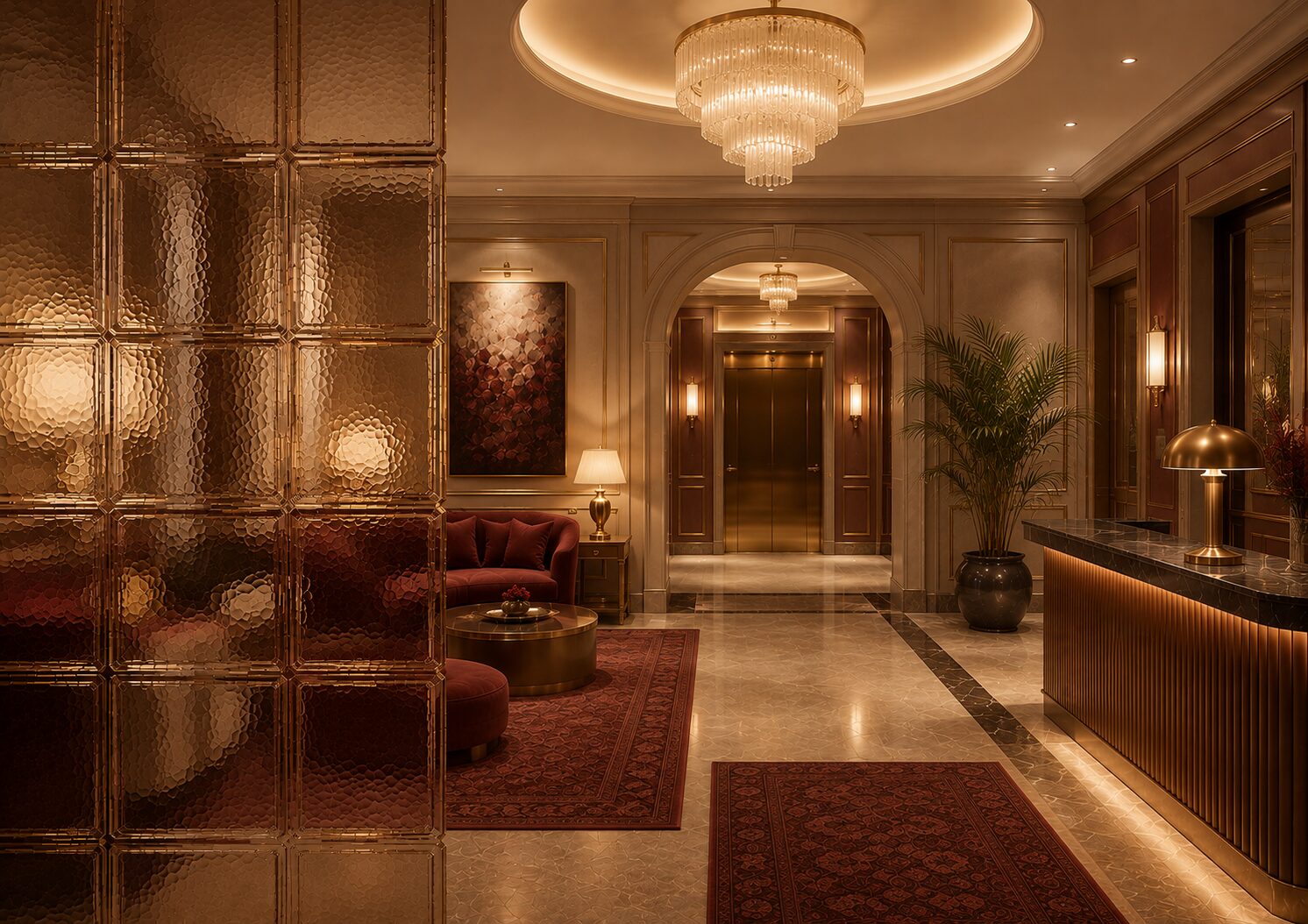
Wood, fabric, and bronze bring tactility to the areas where guests pause, wait, dine, or return.
About / The house philosophy
Warmth in the morning. Composure after dark.
LunaVera Casino Hotel is imagined as a boutique Kraków stay where contemporary Polish interiors, local culture, and adult evening hospitality can exist without competing for attention. The hotel is the centre of the experience; the casino areas are one carefully bounded part of it.
A brand story without invented history
LunaVera begins with a way of hosting, not a founding myth.
There is no claimed founding year, named architect, ownership story, award, or staff biography on this site. The story is present-tense: a hotel in Kraków designed around quiet rooms, tactile materials, cultural afternoons, dining, and adult-only on-site entertainment.
Local field notes / On-site atmosphere
Small observations for a better evening.
Loading local field notes…
01 / HOSPITALITY
Hospitality is the space between a request and a promise.
The guest team should be warm without being vague. A good reply says what is current, what can be arranged, and what still needs confirmation. That standard matters for rooms and dining as much as it does for casino-area information.
Make the next step legible.
Guests do not need a performance of certainty. They need a clear route to ask about their stay, understand adults-only entry, share an accessibility request, or learn what the hotel can currently offer.
The tone is refined because the experience is considered, not because information is hidden behind polished language.
02 / INTERIOR
Materials carry the calm.
Walnut tones, light stone, soft ivory, deep red, brushed bronze, glass, and warm lamps give the house its visual memory. These materials are not decoration for decoration's sake; they help define how the hotel changes as daylight moves.
Brightness is welcome in the morning; evening light is layered rather than harsh. The aim is a room that can carry conversation.
Contemporary Polish warmth is expressed through proportion, finish, and restraint instead of decorative noise.
03 / ENERGY
The hotel can hold both quiet and evening energy.
LunaVera is not an attempt to make every hour feel the same. A calm room, a cultural afternoon, a dining table, a lounge, and an adult-only venue each have their own register.
Lower the volume
Soft light and a simple coffee make the hotel feel like a place to begin again, not a place that asks for immediate attention.
Open to Kraków
The city becomes a cultural partner: squares, architecture, galleries, cafés, and the river create a different kind of energy.
Choose the register
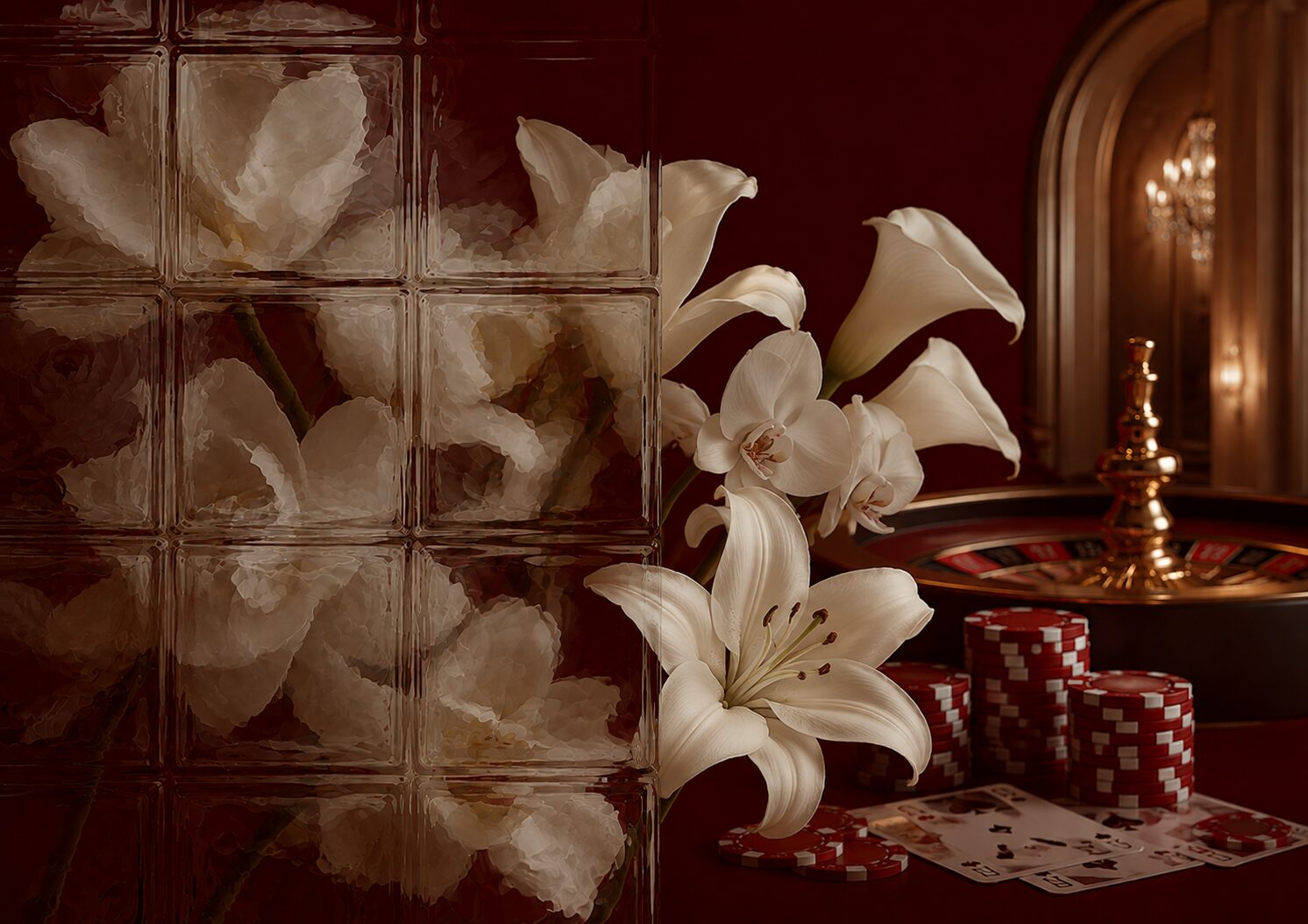
Dinner, lounge time, room quiet, or a physical adult-only venue visit are all valid. No guest needs to choose gaming.
Return to calm
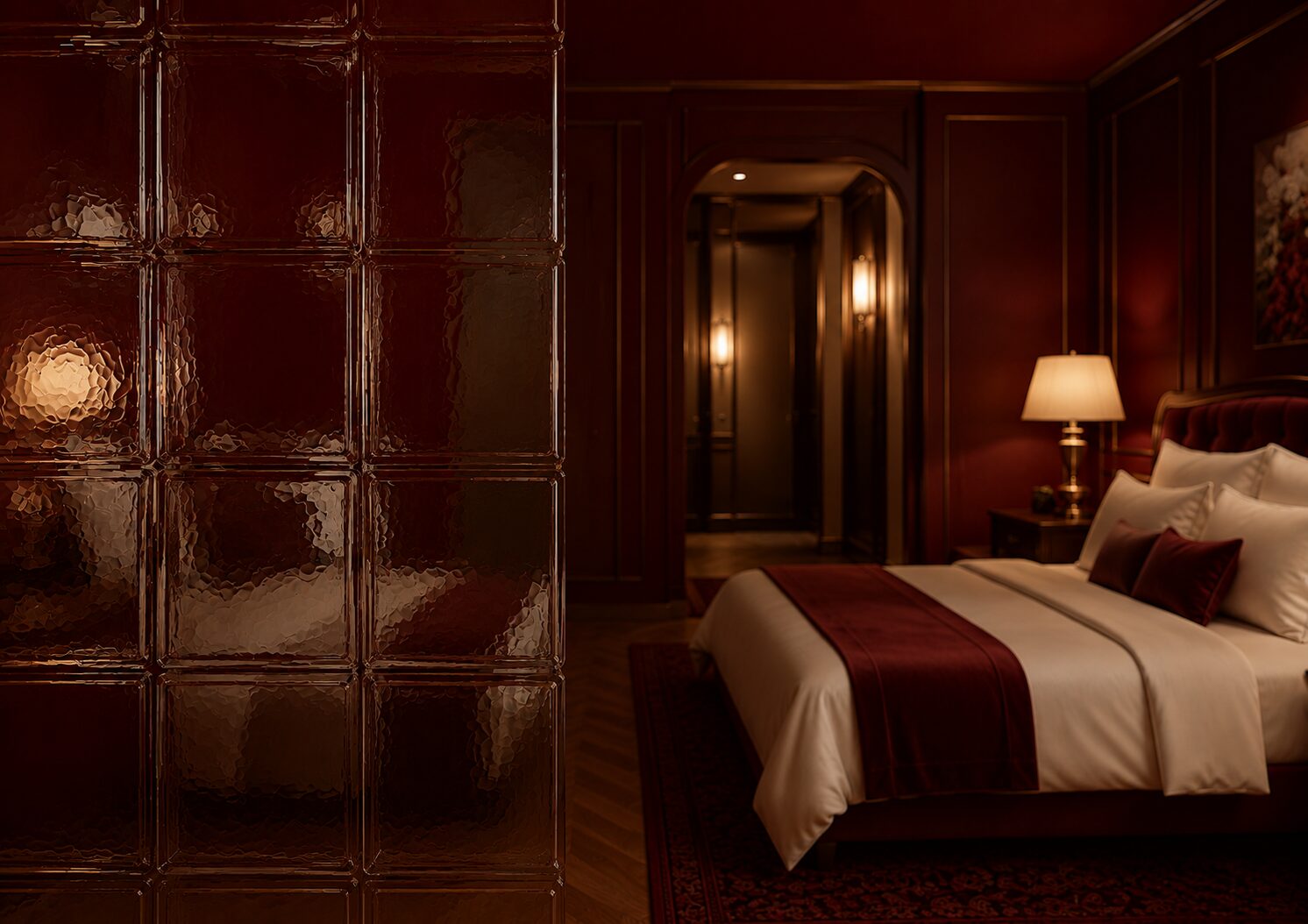
The house should still feel hospitable after the city and evening have ended. Rest is part of the promise.
04 / KRAKÓW
A hotel with a relationship to the city, not a substitute for it.
LunaVera's identity is shaped by Kraków's historic streets and changing light, but the site does not claim a precise address, walking time, or exclusive access to local culture. The connection is editorial and geographic: a quiet base for guests who want to spend time in the city.
Local context keeps the house human.
The best hotel evening can include time away from the hotel. That is why the guide points towards historic squares, museums, architecture, galleries, cafés, and respectful travel planning. Guests should verify current city information through official local sources.
When they return, the hotel can become a place to pause rather than another attraction to complete.
05 / PRIVACY
Guest privacy is a behaviour, not a slogan.
Privacy means avoiding unnecessary questions, keeping enquiry forms limited to what the hotel needs to reply, and giving guests enough space to decide how they spend their day. It also means not turning adult evening entertainment into public performance.
Forms request a name, email, enquiry type, general period, message, and privacy acknowledgement. They do not request passport, payment, gambling budget, income, or medical details.
Hotel rooms, dining spaces, lounge areas, and casino areas have different purposes and boundaries.
A guest who steps away from an evening venue should be able to do so without pressure, judgement, or a promise of recovery.
06 / RESPONSIBILITY
Responsible hospitality does not decorate the risk.
Casino areas are for adults 18+ and gambling carries financial risk. The site states that gambling is paid entertainment, not income; that losses must not be chased; that limits should be set beforehand; and that support should be requested early.
LunaVera does not claim a licence number, award, rating, guaranteed availability, winning outcome, or specific support programme. Current information should be confirmed through the guest team and official Polish resources.
07 / EDITORIAL
Information is part of the guest experience.
The site is written to be useful without pretending that a static page can replace a current conversation. Room details, dining arrangements, venue access, city conditions, and support routes can change.
Say what is known
Use visible, direct language for what the site does and does not provide.
Do not invent proof
Reviews, ratings, awards, named executives, and partner claims are not added to make a page feel more complete.
Leave room for confirmation
When a fact belongs to the day of a visit, the page says so and points guests towards an enquiry.
Keep the pages aligned
Privacy, terms, forms, consent, and responsible-play language should describe the same static functionality.
08 / ACCESSIBILITY
Access begins before the door.
Semantic landmarks, keyboard-visible focus, readable type, reduced motion, labelled controls, a mobile navigation, and direct validation messages are part of the house standard. Guests can also request practical support from the team.
The site remains readable with JavaScript disabled, uses native controls, and keeps form fields labelled.
Share step-free, quiet-room, communication, or other practical needs with the guest team.
Casino-area entry is adult-only and may include current identity checks or venue rules.
Meet LunaVera through the details.
Ask a specific question about a stay, room, meal, city plan, or venue information.
Contact LunaVera09 / HOW IT READS
The house philosophy should remain visible in the useful moments.
A brand is credible when the page behaves like the promise it makes: composed, specific, honest about what is known, and willing to leave a blank where production information has not yet been verified.
Warmth is a practical choice. It can mean a welcome that does not force conversation, a room that gives a tired guest somewhere to sit, a clear answer instead of a polished evasion, and a dining request handled without making the guest repeat themselves. The visual language of walnut, ivory, brass, deep red, and soft light is meant to support that feeling rather than substitute for service.
LunaVera does not need a fabricated founding story, named architect, award list, celebrity guest, or exact operational promise to have a point of view. The site describes an imagined hotel-led experience and marks the details that still need production confirmation. That restraint protects the guest from planning around information that does not exist and gives the operator a clear place to add verified facts later.
Adult evening entertainment belongs inside a broader standard of care. The hotel should make responsible-play information visible, keep minors away from casino areas, avoid presenting gambling as income, and offer a respectful route for questions about breaks or support. Accessibility belongs in the same conversation: semantic structure, visible focus, readable contrast, and a guest team ready to hear a practical request before arrival.
10 / THE STANDARD
The details should agree with the atmosphere.
Quiet confidence is built from small choices that remain consistent when the visitor asks a difficult question.
“Warm” should mean a guest can ask for help without being made to feel difficult. “Modern” should include a readable page, a clear form, accessible focus states, and information that does not hide its limits. “Polish” should be present in the material references, the local context, and the respect shown to the city, not in claims that have not been verified.
The hotel should remain the centre of the story. Rooms, food, design, Kraków, and adult entertainment can coexist, but no single element needs to dominate every page. A person may arrive for the casino and want a quiet room; another may arrive for the city and never enter the venue. Good hospitality leaves room for both choices and protects the visitor from a narrow sales script.
11 / THE HANDOVER
Good design continues into the answer.
A beautiful interface is only the first part of a respectful guest experience.
The guest team should understand the question before presenting an option. That is how warmth becomes a real behaviour rather than a visual effect.
Production details belong in a verified handover. Clear uncertainty is more useful than a confident detail that a guest cannot rely on.
12 / THE LAST DETAIL
Restraint is part of the identity.
The page should feel complete without pretending that the work is finished.
Verified facts can be added when they exist. Until then, the visitor gets a calmer and more trustworthy experience from a clear boundary than from invented specificity.
Use the site to ask better questions, plan a comfortable stay, understand risk, and return to the city with care.